Influence of body size on the predator-prey relationships of living felids and its aplication to rhe fossil
DOI:
https://doi.org/10.24310/enbio.v11i165.17494Keywords:
felids, predation, predator-prey, body size, fossil record, Venta MicenaAbstract
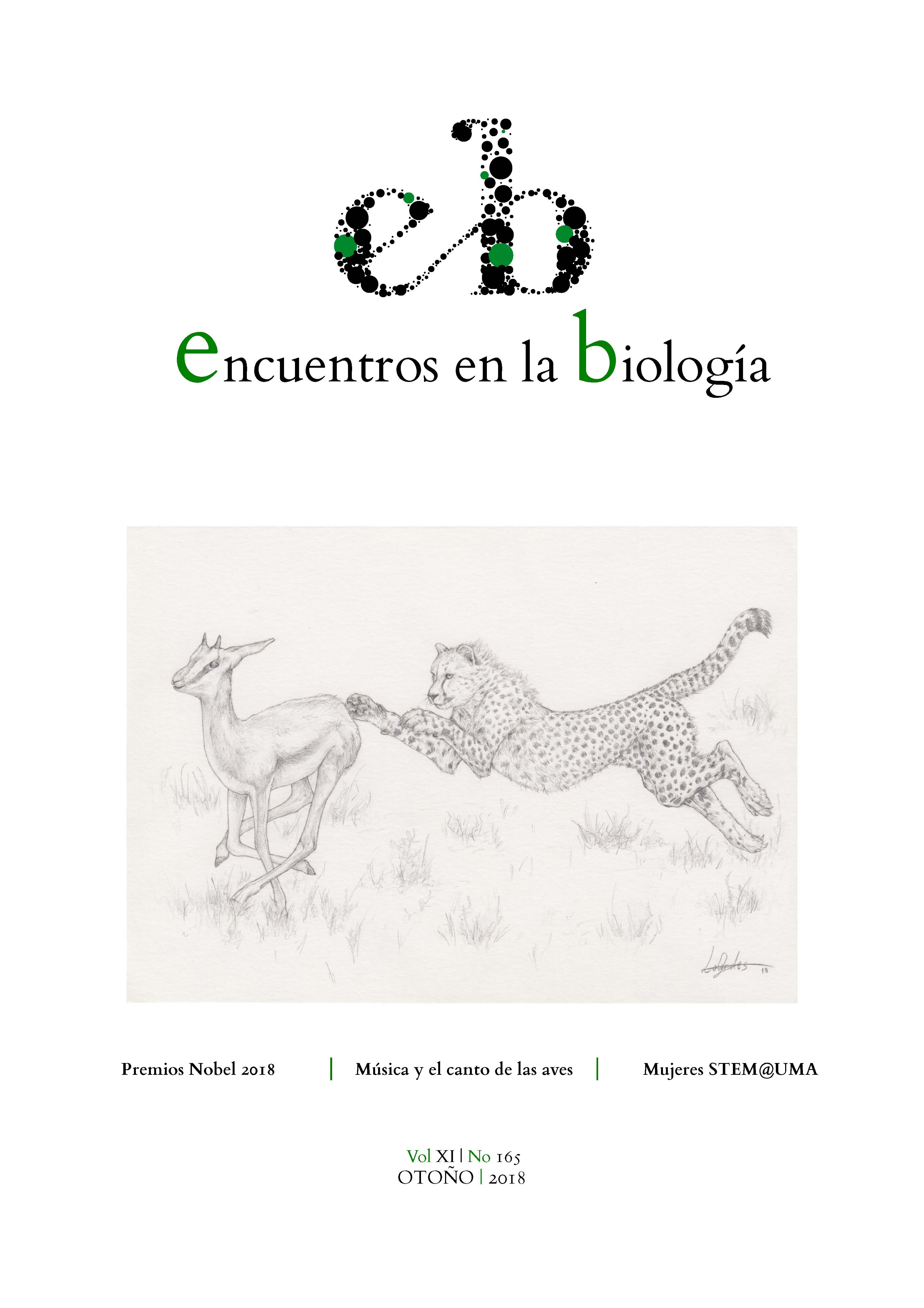
Body size is a crucial factor to take into account when analyzing the predator-prey relationships of the current felids and, despite the large number of studies focused on these relationships, the feeding patterns of these predators according to the age-class of prey have been poorly investigated. The study of those patterns shows a general trend towards the hunting of a greater number of calves of the larger prey species. A higher body mass and the existence of organized hunting groups allow predators like the lion to access the largest prey species as well as a higher number of adults of these prey, while the smaller felids have more limitations. The application of these results to the existing information on the extinct hypercarnivorous felids of Venta Micena allows an approximation to the hunting patterns of these antique predators.
Downloads
References
Downloads
Published
Dimensions
Citations




Issue
Section
License
Esta obra está bajo licencia internacional Creative Commons Reconocimiento-NoComercial-CompartirIgual 4.0.
Esta revista provee acceso libre inmediato a su contenido bajo el principio de hacer disponible gratuitamente la investigación al público. Todos los contenidos publicados en Encuentros en la Bilogía están sujetos a la licencia Creative Commons Reconocimento-NoComercia-Compartirigual 4.0 cuyo texto completo puede consultar en <http://creativecommons.org/licenses/by-nc-sa/4.0>
Se pueden copiar, usar, difundir, transmitir y exponer públicamente, siempre que:
Se cite la autoría y la fuente original de su publicación (revista, editorial y URL de la obra).
No se usen para fines comerciales.
Se mencione la existencia y especificaciones de esta licencia de uso
Los derechos de autor son de dos clases: morales y patrimoniales. Los derechos morales son prerrogativas perpetuas, irrenunciables, intransferibles, inalienables, inembargables e imprescriptibles. De acuerdo con la legislación de derechos de autor, Encuentros en la Biología reconoce y respeta el derecho moral de los autores/as, así como la titularidad del derecho patrimonial, el cual será cedido a la Universidad de Málaga para su difusión en acceso abierto. Los derechos patrimoniales, se refieren a los beneficios que se obtienen por el uso o divulgación de las obras. Encuentros en la Biología se publica en open access y queda autorizada en exclusiva para realizar o autorizar por cualquier medio el uso, distribución, divulgación, reproducción, adaptación, traducción o transformación de la obra.
Es responsabilidad de los autores/as obtener los permisos necesarios de las imágenes que están sujetas a derechos de autor.
Los autores/as cuyas contribuciones sean aceptadas para su publicación en esta revista conservarán el derecho no exclusivo de utilizar sus contribuciones con fines académicos, de investigación y educativos, incluyendo el auto-archivo o depósito en repositorios de acceso abierto de cualquier tipo.
La edición electrónica de esta revista esta editada por la Editorial de la Universidad de Málaga (UmaEditorial), siendo necesario citar la procedencia en cualquier reproducción parcial o total.
